

Compression vs regular t-shirt: which one should you actually wear to the gym? Both look like simple tops on a hanger, but they fit, move and feel completely different once you start training. This guide explains the real difference, where each one makes sense, and how to choose without overthinking it.
Most lifters in India start with a loose cotton tee, then see someone in a fitted compression top and wonder if they are missing something. The honest answer to compression vs regular t-shirt: compression is not magic, and a regular tee is not wrong. They do different jobs. If you already know you want the fitted, second-skin option, you can go straight to the compression t-shirt for men collection.
Table of Contents
What is a compression t-shirt?
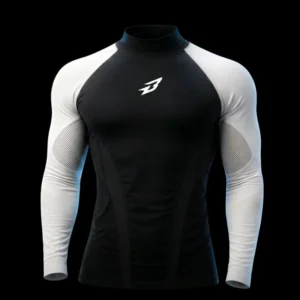
A compression t-shirt is a stretch top cut smaller than your body so it sits flat against your skin with steady, even pressure. It is usually made from a polyester or nylon base blended with spandex, which gives it four-way stretch: it stretches across and along the body and then springs back. Wikipedia has a good general overview of compression garments if you want the background.
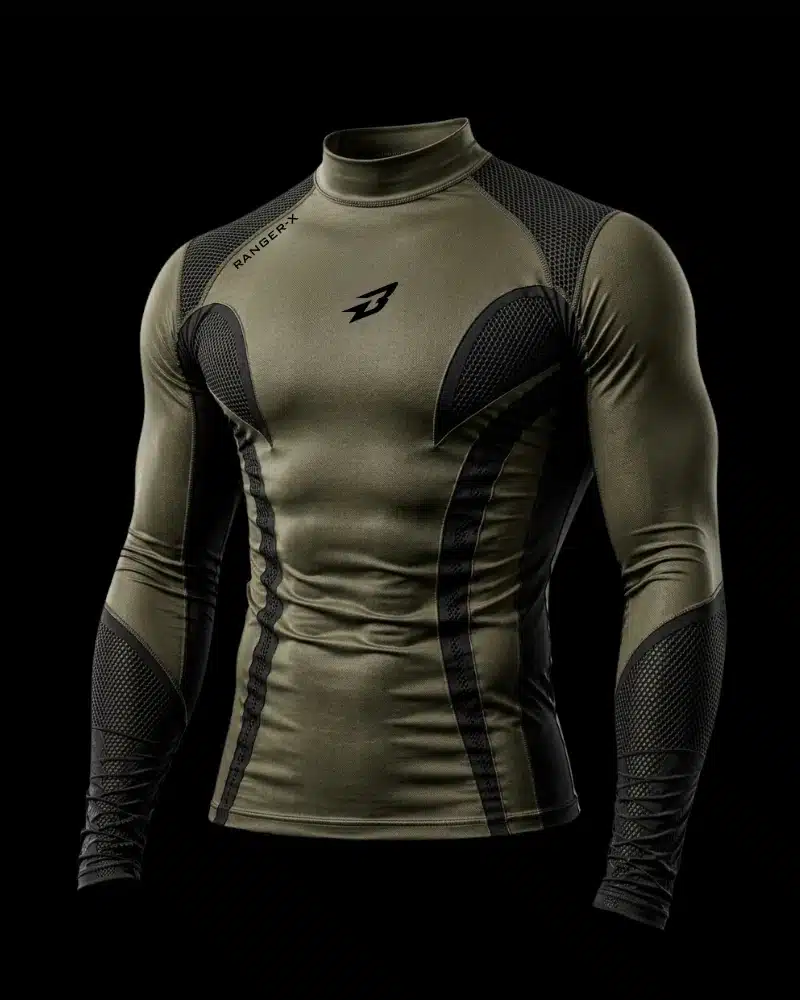
BeastX compression tees come in three fabric builds, depending on the edition: 85% polyester + 15% spandex, 90% nylon + 10% spandex, and V-mesh 90% polyester + 10% spandex. Seams are flatlock, so they lie flat instead of forming a ridge that rubs during pressing or pulling.
What is a regular gym t-shirt?
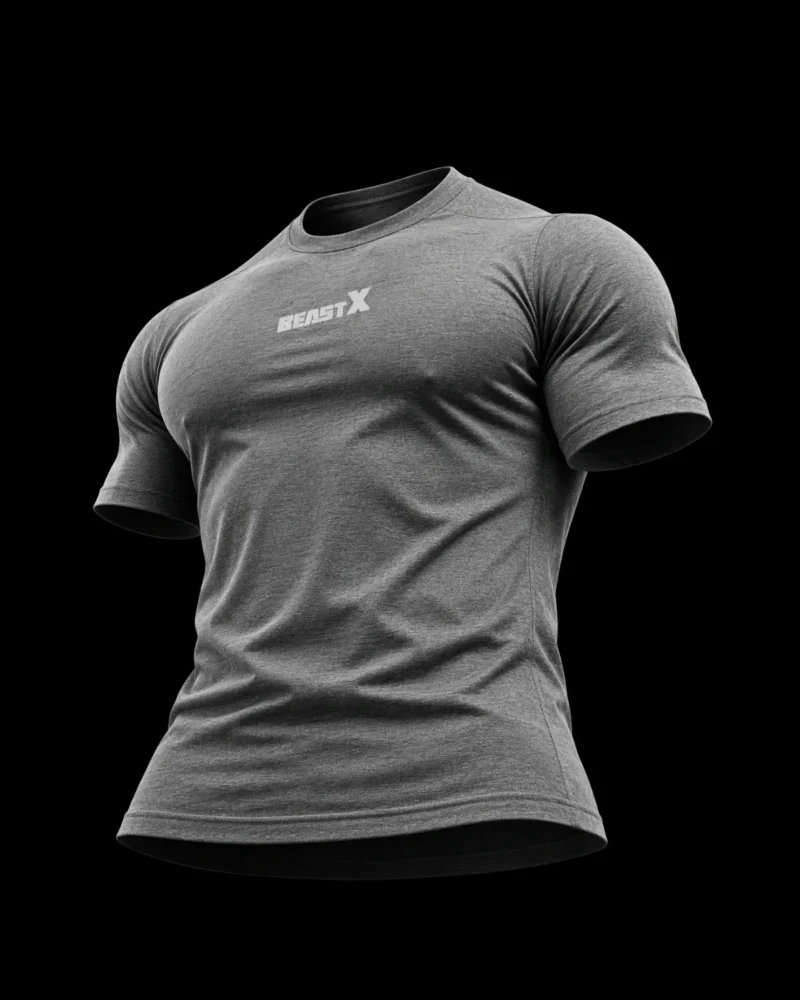
A regular gym t-shirt has a normal cut with some built-in room, called ease, so it hangs off the shoulders and chest instead of hugging them. Gym versions are often polyester “dri-fit” style fabric, and casual versions are cotton or cotton-lycra. The BeastX CoreFit Performance tee is an example of the gym-focused kind: stretch polyester in a regular fit.
In any compression vs regular t-shirt comparison, a regular tee wins on ease: it is easy to wear, forgiving if your weight changes, and looks normal outside the gym. It just does not stay in place the way a compression top does.
Compression vs regular t-shirt: the real differences
Here is the compression vs regular t-shirt side-by-side most people are actually looking for.
| Compression t-shirt | Regular gym t-shirt | |
|---|---|---|
| Fit | Second skin, no loose fabric | Relaxed, hangs off the body |
| Fabric | Polyester or nylon + 10–15% spandex | Polyester, cotton or cotton-lycra |
| Stretch | 4-way stretch, springs back | Light stretch or none |
| Stays in place on overhead lifts | Yes, the hem stays down | Often rides up |
| Sweat feel | Fabric moves sweat across the surface, no wet flapping | Cotton holds sweat and gets heavy |
| Layering | Works as a base layer under a vest or hoodie | Usually the outer layer |
| Looks outside the gym | Athletic, shows your build | Casual, works anywhere |
| Sizing | Based on chest measurement, often smaller than your usual size | Your usual t-shirt size |
1. Fit and movement
In the compression vs regular t-shirt debate, the biggest difference is fit. A compression tee moves with you because it is stretched across your body. When you press overhead, do pull-ups or hit burpees, the hem stays where it is and the sleeves do not slide. A regular tee shifts, bunches at the armpits and rides up on the lats, which is why you see people tugging their shirt down between sets.
2. Sweat and comfort
Sweat is where compression vs regular t-shirt feels most different. Polyester and nylon blends do not soak up sweat the way cotton does. In a hot Indian gym, a cotton tee gets heavy and clings in patches. A compression top stays wet against the skin rather than flapping, which some lifters love and others find too snug. A polyester regular tee sits in between: lighter than cotton, but looser.
3. Looks and confidence
For looks, compression vs regular t-shirt comes down to how much you want to show. Compression shows your shoulders, chest and arms. If you train for physique, that visual feedback in the mirror is part of the appeal. If you prefer not to show every line, a regular fit is more relaxed. Neither is better; it is a personal call.
4. Durability
On durability, the compression vs regular t-shirt gap depends on fabric. Spandex-blend compression keeps its shape if you wash it cold and skip the tumble dryer. BeastX compression tees hold their fit wash after wash. Cheap two-way stretch tops tend to go slack, so check the fabric label, not just the price.
When should you wear compression?
- Heavy lifting days where you want the shirt to stay put under the bar
- HIIT, CrossFit-style circuits and anything with lots of overhead or floor work
- Cold mornings, as a base layer under a vest, hoodie or jacket
- Physique-focused training where you want to see your form in the mirror
- Sports like football, cricket nets or badminton where a loose shirt gets in the way
When is a regular t-shirt the better choice?
- Light cardio, walking or stretching where fit does not matter much
- Days you go straight from the gym to college, office or a cafe
- If you are new to the gym and do not like a tight feel yet
- Hot outdoor sessions where you want air moving around your body
- If your weight is changing fast and you do not want to resize often
How should a compression t-shirt fit?
A compression tee should be a slight effort to pull on, then feel even across the chest, shoulders and torso. You should be able to breathe deeply and lift both arms overhead without the hem moving. If you can pinch loose fabric at the ribs, it is too big. If you feel any numbness, tingling or cannot take a full breath, it is too small and you should size up. Our full compression t-shirt size guide walks through measuring your chest and choosing between two sizes.
Which BeastX option should you pick?
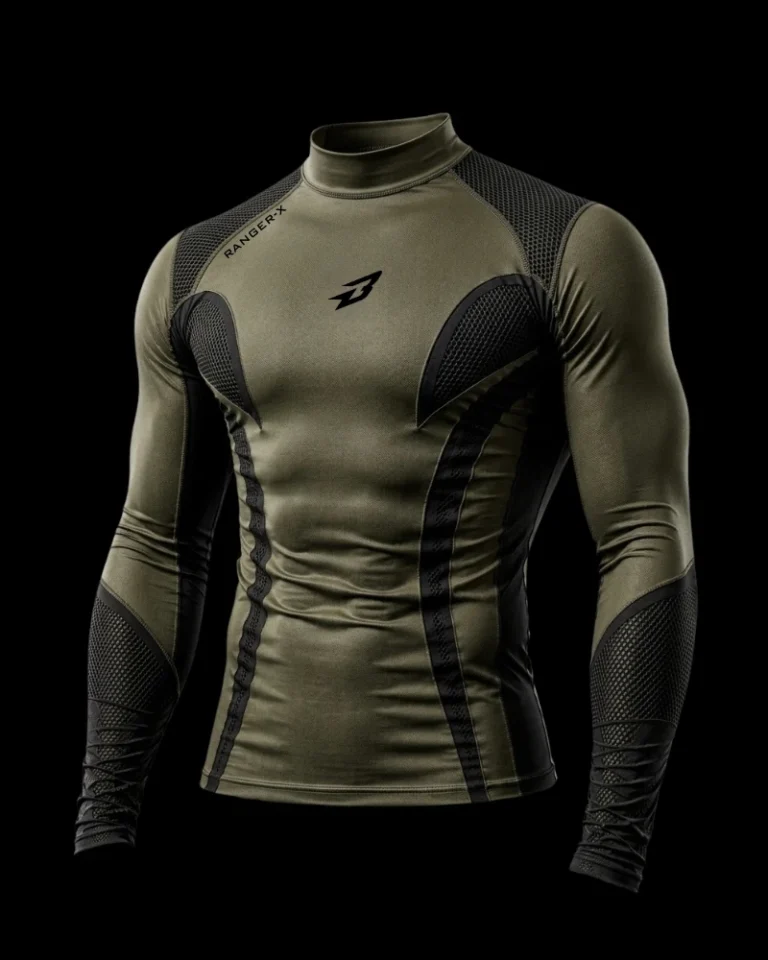
If the compression vs regular t-shirt choice lands on compression and you want a dependable first tee, the CoreShield Half Sleeve Compression is the simple pick: 90% polyester + 10% spandex, flatlock seams and no extras. If you want the smart side of BeastX, the Ranger-X Edition Compression has an NFC chip on the left sleeve, near the wrist. Tap it with your phone to verify your piece and open the BeastX Vault. You can read how that works on the NFC gymwear page.
If you would rather stay relaxed, pick a regular-fit tee from the gym t-shirts for men range. Plenty of lifters keep both: compression for heavy or intense days, a regular tee for easy sessions and errands. For the bigger picture on building a gym wardrobe, see our guide to gym clothes for men.
The bottom line
Compression vs regular t-shirt is not about which one is better overall. It is about the job. Choose compression when you want a top that stays in place, layers well and shows your build. Choose a regular tee when you want easy comfort and a casual look. Start with one of each, see which you reach for on heavy days, and build from there. Browse the full compression t-shirt for men collection when you are ready.
Frequently asked questions
Is a compression t-shirt better than a regular t-shirt for the gym?
Not always. A compression t-shirt stays in place, layers well and moves with you during heavy or intense training. A regular t-shirt is more relaxed and better for light sessions or going out after the gym. Many lifters keep both.
Can I wear a compression t-shirt as a normal t-shirt?
Yes. Many people wear it on its own, especially in solid colours like black or white. It looks athletic and fitted, so some prefer a regular tee or a layer on top for college or office.
Should a compression t-shirt be one size smaller?
Often, yes, because compression sizing is based on your chest measurement, not your usual t-shirt size. Measure your chest and check the product size chart. If you cannot breathe deeply or feel numbness or tingling, go one size up.
What fabric is best for a compression t-shirt?
Look for a polyester or nylon base blended with 10–15% spandex for four-way stretch and shape recovery. BeastX uses 85% polyester + 15% spandex, 90% nylon + 10% spandex, or V-mesh 90% polyester + 10% spandex, depending on the edition.
Can I wear a compression t-shirt under a hoodie in winter?
Yes. A compression tee works well as a base layer under a vest, hoodie or jacket, because it sits flat and does not bunch up under the outer layer.
Do all BeastX compression t-shirts have NFC?
No. NFC is on selected editions, such as Ranger-X, SmartCore and Airbodyfit. Some pieces, like the CoreShield Edition, do not have NFC. Each product page says whether it has the chip.
 Ribbed Vest - Brown
 Ribbed Vest - Combo Set
 Ribbed Vest - 3Vest
 Ribbed Vest - Combo Set -Titaniu…
 Ribbed Vest - Combo Set
 Ribbed Vest - White
 Ribbed Vest - Maroon
 Ribbed Vest - Black