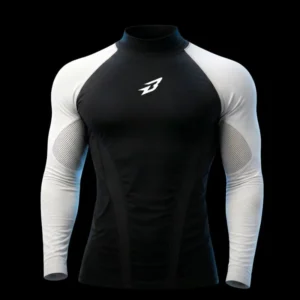

How Should a Compression T-Shirt Fit? A Sizing Guide for Indian Bodies


Most people get their compression t shirt size wrong on the first try — usually one size too big.
It makes sense. You pick up the shirt, it looks small, and instinct says size up. Then you wear it, it feels comfortable, and you assume you got it right. But a compression tee that feels comfortable the moment you pull it on is usually not doing its job.
This is the part nobody explains properly when you are buying compression wear online in India. So here it is.
What compression is actually doing
A compression garment applies steady pressure across the muscle. That pressure does three things during a session: it reduces muscle oscillation when you move explosively, it improves proprioception so you have a better sense of where your body is in space, and it supports circulation, which is why a lot of people wear compression after training as well as during.
This isn’t just marketing language. A meta-analysis of 12 studies found compression garments had a moderate effect on reducing delayed onset muscle soreness, and on recovery of muscular strength and power.
All three depend on contact. The fabric has to be in continuous contact with your skin to transfer pressure. The moment there is a gap — loose fabric at the ribs, a sleeve that slides, a hem that rides up — the compression stops working at that spot.
Research suggests compression garments may improve joint awareness, local blood flow, and waste product removal, while reducing swelling and muscle oscillation
That is the whole principle. Fit is not a comfort preference with compression wear. It is the mechanism.
How a compression t-shirt should feel
Here is the honest description, because “snug” is too vague to be useful.
When you first pull it over your head, it should be a slight effort. Not a struggle, but you should notice you are putting it on. Once it is on, you should feel even pressure across your chest, shoulders and torso — even is the key word, not tight in one place and loose in another.
You should be able to breathe normally and take a deep breath without restriction. You should be able to raise both arms fully overhead without the hem pulling out of position.
And you should not be able to pinch loose fabric anywhere. Try it at your ribs and lower back. If you can grab a fold of material, the shirt is too big and it will not compress those areas.
Signs you have sized up too far
- You can pinch fabric at your ribs, waist or lower back
- The shirt slides when you move instead of staying in place
- The shoulder seams sit below your actual shoulder point
- It feels exactly like a normal t-shirt
- The hem rides up and stays up during overhead work
Signs you have sized down too far
- You cannot take a full deep breath comfortably
- There are visible seam marks or red pressure lines on your skin after ten minutes
- The neckline pulls or restricts at your throat
- Your shoulder range of motion is limited, not just supported
- You feel any numbness or tingling in your arms
The second list matters more than the first. Too loose means the garment underperforms. Too tight can genuinely restrict circulation. If you are unsure between two sizes and you notice any item from this second list, go up.
How to measure yourself properly
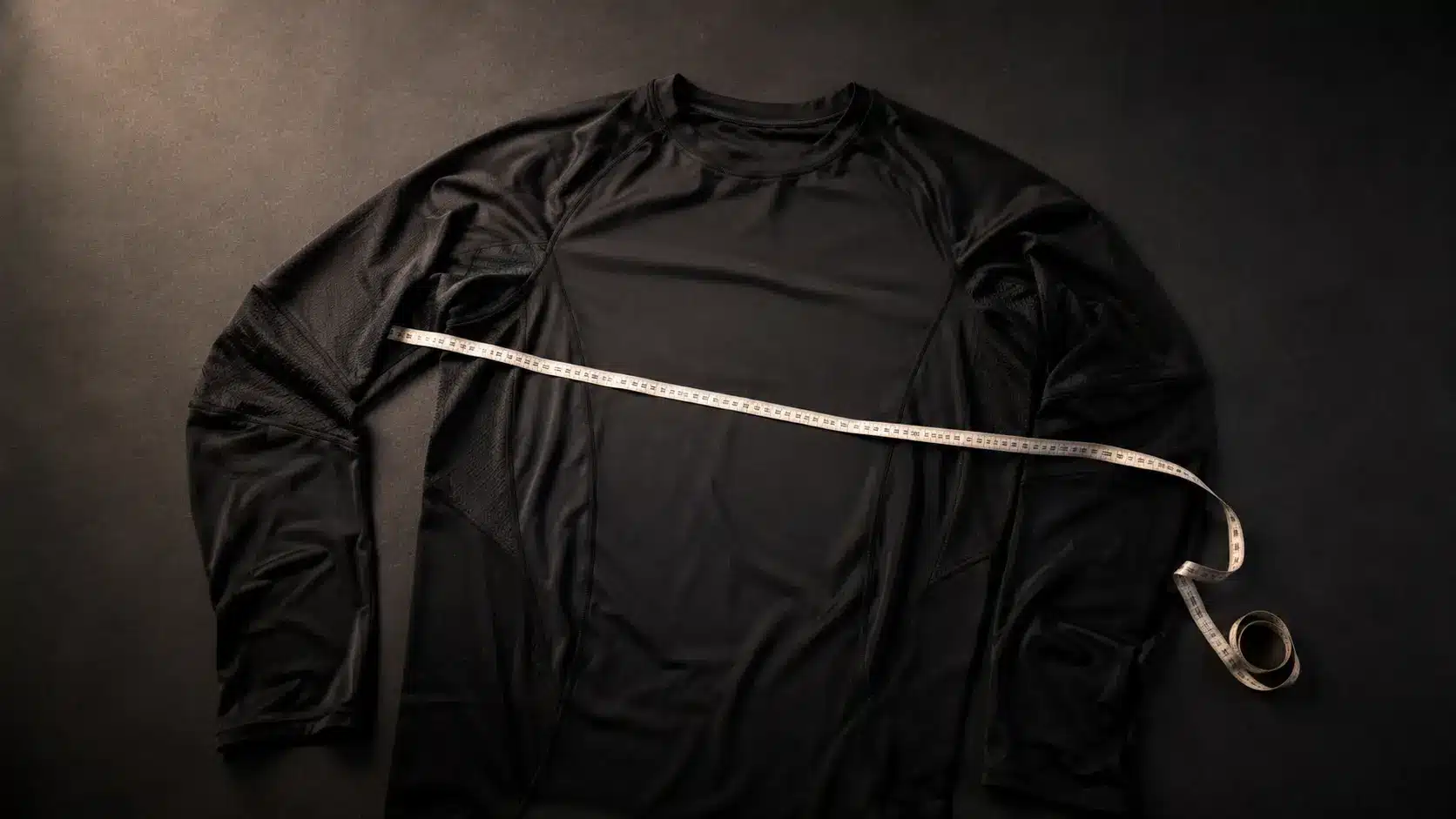
You need a soft measuring tape and about two minutes. Do this in front of a mirror if you can, because tape angle is where most people go wrong.
Chest. Wrap the tape around the fullest part of your chest, usually just under the armpits and across the nipple line. Keep the tape parallel to the floor all the way around — check the back in the mirror, because it tends to drift down. Stand normally and breathe out. Do not flex, do not puff your chest, do not hold your breath in.
Waist. Measure at your natural waist, roughly an inch above the navel. Again, relaxed and breathing out.
Shoulder. From the bony point of one shoulder straight across your back to the other. Get someone to help with this one if you can — self-measuring across the back is unreliable.
Sleeve length, if you are buying full sleeve. From the shoulder point down the outside of a slightly bent arm to the wrist bone.
Write the numbers down. Then compare them against the size chart on the product page, not against the size you usually buy in regular t-shirts. Compression sizing and regular sizing are not the same system.
Why Indian sizing matters here
A lot of compression wear sold in India is built on US or European size charts and imported unchanged. The problem is that those charts assume different average proportions — typically longer torso length and different chest-to-shoulder ratios.
The practical result is a shirt that fits your chest correctly but is too long in the body, or fits your shoulders but is loose through the waist. Neither gives you even compression, which is the thing you paid for.
[BeastX compression tees are cut on measurements taken from Indian bodies. Describe your actual fit development here — how many fit models, what size range, what you adjusted. This paragraph is where you build trust, so make it specific and true.]
Sizing between two sizes
If your chest measurement falls between two sizes on the chart, your compression t shirt size depends on what you are buying it for.
Training and performance — size down. You want maximum contact and support during the session.
Recovery wear, or as a base layer under a vest or hoodie — size up. Comfort over hours matters more than peak compression here.
First compression garment you have ever owned — size up. Get used to the sensation first. You can size down on your next one once you know how it should feel.
Fabric and stretch
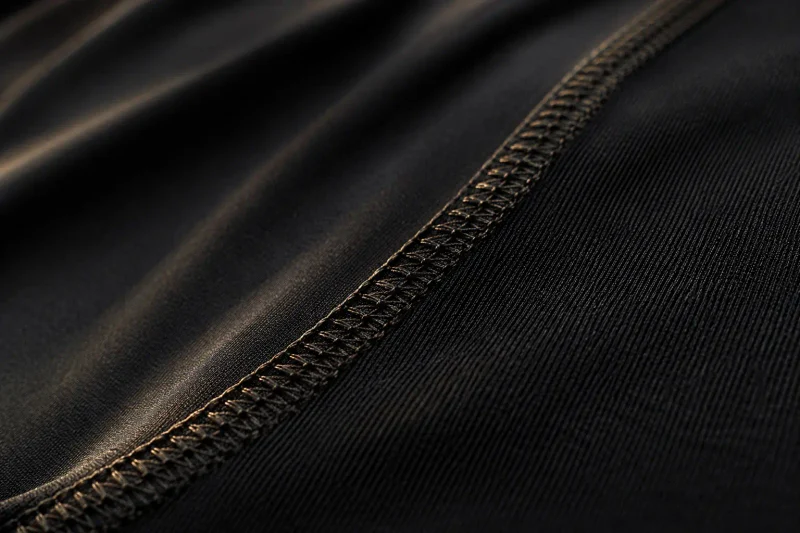
A compression tee should have four-way stretch, meaning it stretches both horizontally and vertically and recovers to its original shape. Two-way stretch fabric will feel fine for a few sessions and then go slack in the areas that get worked hardest.
Recovery is the property that actually matters over time. A shirt that stretches but does not spring back will lose its compression within a couple of months, no matter how good the fit was on day one. [Add your fabric composition and any recovery testing you have done.] [SmartCore NFC compression]
Care, and why it affects fit
Compression garments lose their fit faster than regular clothing when they are washed badly. Three rules:
Wash cold, inside out. Hot water breaks down elastane, which is what provides the stretch and recovery.
Skip the fabric softener. It coats the fibres, which kills both the moisture-wicking finish and the elasticity.
Air dry, never tumble dry. Heat is the fastest way to destroy a compression garment. Hang it in shade rather than direct sun.
Done properly, a good compression tee holds its fit for [X] washes. Done badly, it can go slack in a month.
Frequently asked questions
How tight should a compression t-shirt be? Tight enough that you cannot pinch loose fabric anywhere, loose enough that you can take a full deep breath and raise your arms overhead freely. Even pressure across the whole torso is what you are looking for, not maximum tightness.
How do I know my compression t shirt size?
Take your chest measurement and compare it against the product page chart, not the size you wear in regular t-shirts.
Should I size up or size down in compression wear? Size down if it is for training, size up if it is for recovery or long wear. If it is your first compression garment, size up.
Can I wear a compression t-shirt all day? For a few hours, yes. Most people find all-day wear uncomfortable, and there is no performance benefit to it. Two to three hours post-workout is where the recovery benefit sits.
Is it normal to see marks on my skin after wearing compression? Light temporary marks from seams are normal. Deep red lines, numbness, or tingling are not — those mean the garment is too small.
How is compression sizing different from regular t-shirt sizing? Compression sizing is based on your actual body measurements, because the garment is meant to sit against your skin. Regular t-shirt sizing includes ease, which is extra room built in for comfort. Your compression size will often be smaller than your regular size.
Will a compression t-shirt stretch out over time? Good four-way stretch fabric recovers its shape after each wear. Cheaper two-way stretch fabric will go slack. Washing hot or tumble drying will destroy the recovery in either case.
Getting your size
Every BeastX product page carries the full measurement chart for that style. Take your chest measurement, compare it against the chart, and use the guidance above to lock in your compression t shirt size.
Browse the compression t-shirt range or read our guide to the best compression wear in India for a broader look at choosing your first set.
Gym Clothe for Men: The Complete Guide to Choosing the Best Gym Wear
 Ribbed Vest - Combo Set
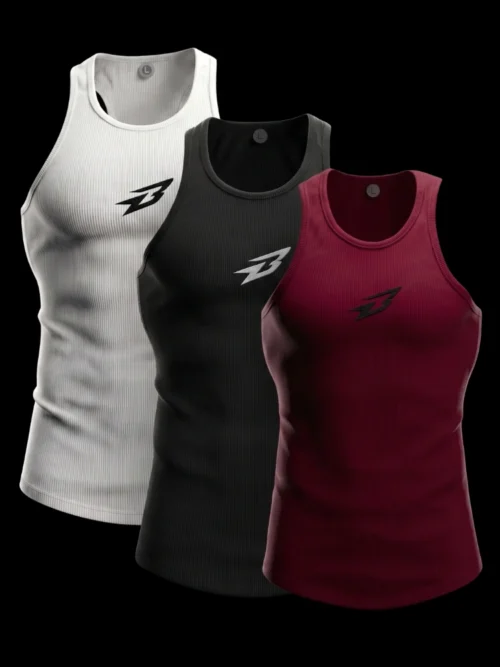 Ribbed Vest - 3Vest
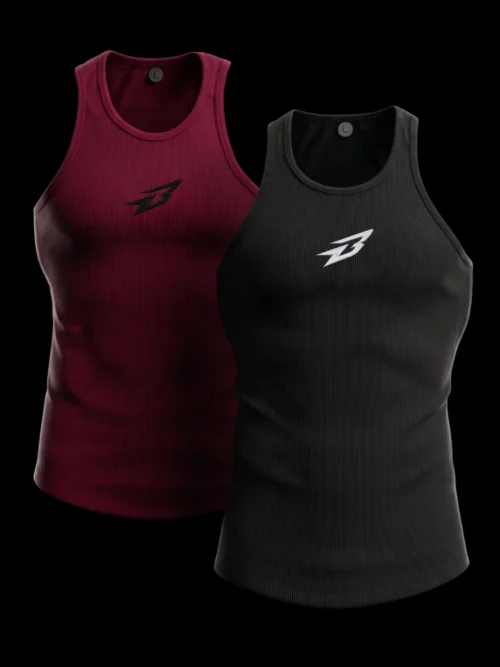 Ribbed Vest - Combo Set -Titaniu…
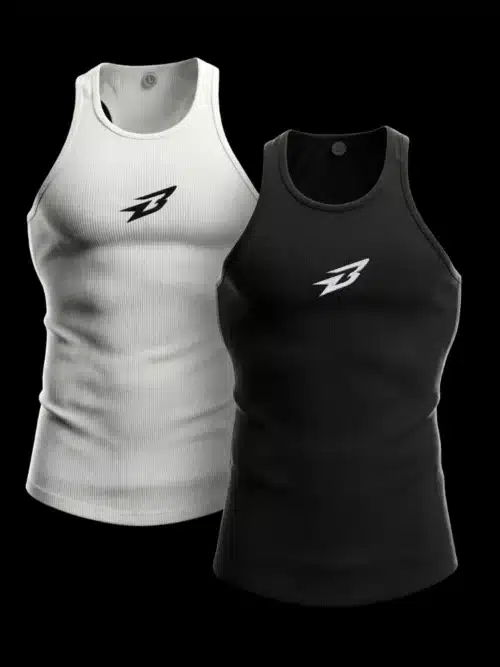 Ribbed Vest - Combo Set